
Could wax gourd flowers be more than a traditional ingredient? Here’s how this overlooked plant is gaining attention for its wellness benefits and role in modern nutrition trends.
 |
| Once seen as a traditional rural ingredient, wax gourd flowers are now being reconsidered as a nutrient-rich food with potential health and wellness applications. Image: PL |
PL — (Update) May 24, 2026:
Have you ever thought about eating a flower that grows on a vegetable?
Wax gourd flowers are exactly that, and they are slowly getting attention again after being overlooked for years.
Most people know wax gourd as ash gourd or winter melon, especially in soups and traditional dishes. But the flowers of this plant have quietly been used in regional cooking and folk wellness practices for generations.
What is interesting now is that they are starting to be looked at differently, not just as a rural ingredient, but as part of a broader conversation around functional foods and natural nutrition.
These small yellow blossoms are naturally rich in plant compounds like flavonoids, which act as antioxidants. In simple terms, they help the body deal with oxidative stress, which is linked to aging and everyday environmental strain.
In traditional practices, wax gourd flowers are often used in warm infusions or light broths. People believe they help clear the respiratory system, especially during seasonal changes when congestion and irritation are more common.
There is also a long-standing belief that they help cool the body. In hot climates, foods with “cooling” properties are often used to balance internal heat, and wax gourd flowers are part of that system.
Digestion is another area where they are commonly mentioned. Light preparations made from the flowers are traditionally used to support the stomach and ease mild digestive discomfort.
What is changing today is not the use of the flower itself, but how people are interpreting it.
Instead of being seen only as a traditional remedy ingredient, it is now being discussed in the context of plant-based diets and natural wellness trends.
In modern kitchens, the flowers are used in simple ways. They are usually cooked quickly after harvest because they do not last long. A light stir-fry, a clear soup, or even a herbal tea infusion is enough to bring out their value.
Even the whole plant adds to its appeal. The leaves, flowers, and fruit all have culinary uses, which makes the plant versatile in sustainable and low-waste cooking.
This is where the bigger shift becomes interesting.
Foods like wax gourd flowers are being rediscovered at a time when people are looking for natural, minimally processed ingredients that fit into healthier lifestyles.
They may not be new.
But sometimes, the most interesting “new” trends are actually old ingredients being seen with fresh eyes.
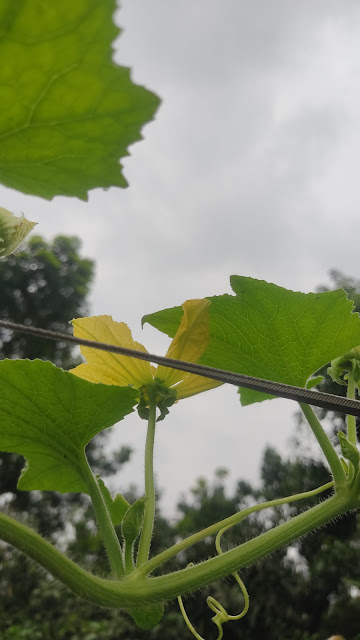 |
| Wax Gourd Flower |


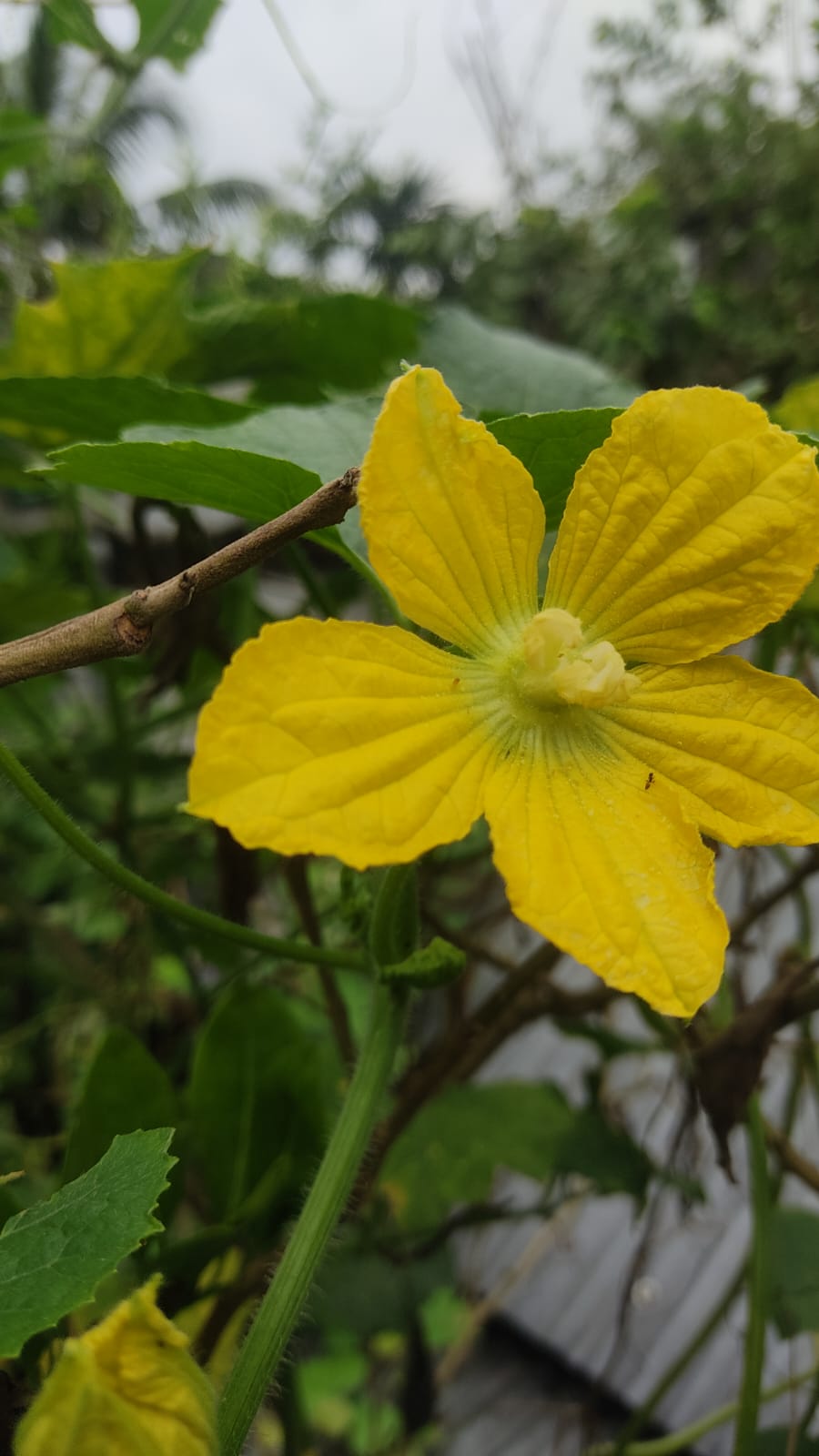


Wax Gourd Flower's color is yellow.